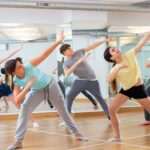
Why Physiotherapy Should Be Part of Every Dancers Routine explores targeted strategies for recovery. Discover new paths to mobility, healing, and personalized care.


Injury Prevention Through Proactive Care
Repetitive strain, overtraining, and poor technique can silently lead to chronic injuries. Physiotherapists:
Identify biomechanical imbalances early
Assess joint mobility and muscular weaknesses
Provide correctional exercises and guidance before symptoms arise
?? Prevention is easier (and less painful) than cure. Routine check-ups help dancers avoid time off and setbacks.
?? 2. Improved Strength and Stability
Dance requires both mobility and control. Physiotherapy helps dancers develop:
Core and pelvic stability for better control in turns and balances
Joint support strength to reduce stress on ankles, knees, and hips
Muscle endurance for longer rehearsals and performances
This functional strength directly translates into sharper technique and better execution.
?? 3. Flexibility with Control
Hyper-mobility is common in dancers but without strength, it can be dangerous. Physiotherapy supports:
Safe flexibility training
Neuromuscular control to support extreme ranges of motion
Prevention of overstretch injuries (e.g., hamstring strains, groin pulls)
?? The goal: Find the perfect balance between mobility and control.
?? 4. Faster Recovery After Performances and Training
Dancers experience fatigue and microtrauma from long rehearsals, competitions, and shows. Physiotherapy aids in:
Muscle release and tissue recovery
Reducing delayed onset muscle soreness (DOMS)
Managing swelling or joint irritation early
?? A structured post-performance recovery plan means dancers can bounce back quicker and keep up with demanding schedules.
?? 5. Mental Confidence and Body Awareness
Regular physiotherapy helps dancers:
Understand their bodys limits and potential
Rebuild trust and confidence after injury
Maintain mental focus and connection with physical form
This can ease performance anxiety and encourage smarter movement choices.
?? 6. Quicker, Safer Injury Rehabilitation
In the event of an injury, physiotherapists:
Provide a clear, staged recovery plan
Use hands-on therapy, strength progressions, and technique reintegration
Monitor healing and modify as needed to prevent re-injury
?? Dancers return stronger, not just symptom-free.
?? 7. Technique Enhancement and Movement Refinement
A physiotherapist trained in dance medicine understands:
The demands of various dance styles (ballet, jazz, contemporary, acro, etc.)
Common technique faults that lead to injury
How to work collaboratively with dance teachers
They offer insights into alignment, turnout, jump mechanics, and pointe readiness bridging the gap between healthcare and art.
? Make It Part of Your Routine
Incorporate physiotherapy as part of your regular dance practice:
Schedule routine screenings even when uninjured
Use physio-led pre-class warm-ups and cooldowns
Follow a custom strength and flexibility program
Check in before auditions, competitions, or new choreography blocks